Education for social change: English language programme, Ginnoruwa
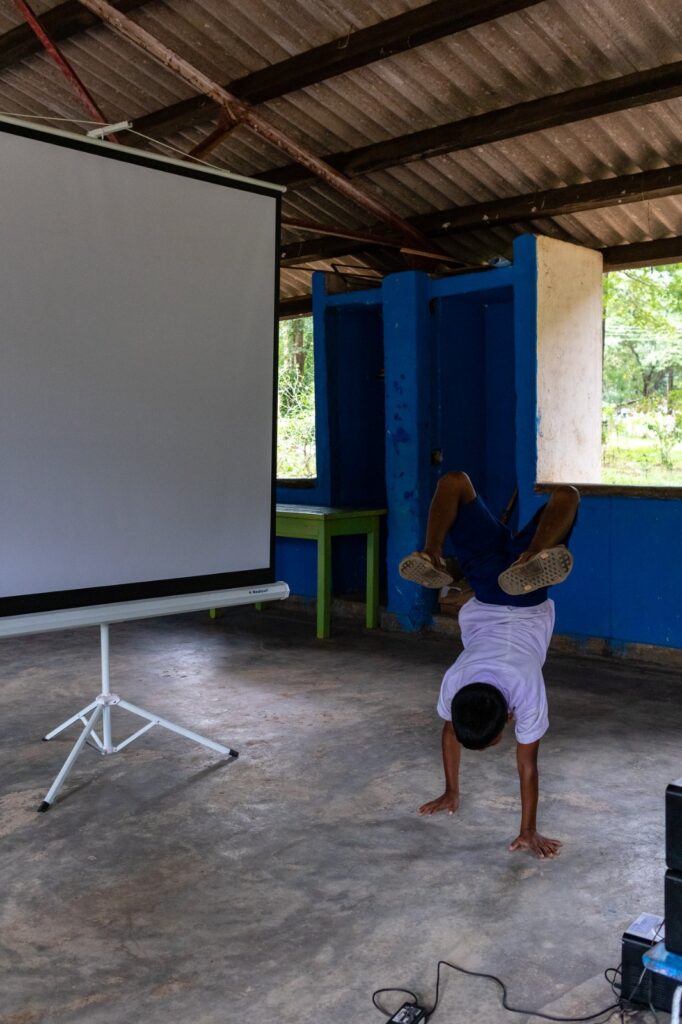
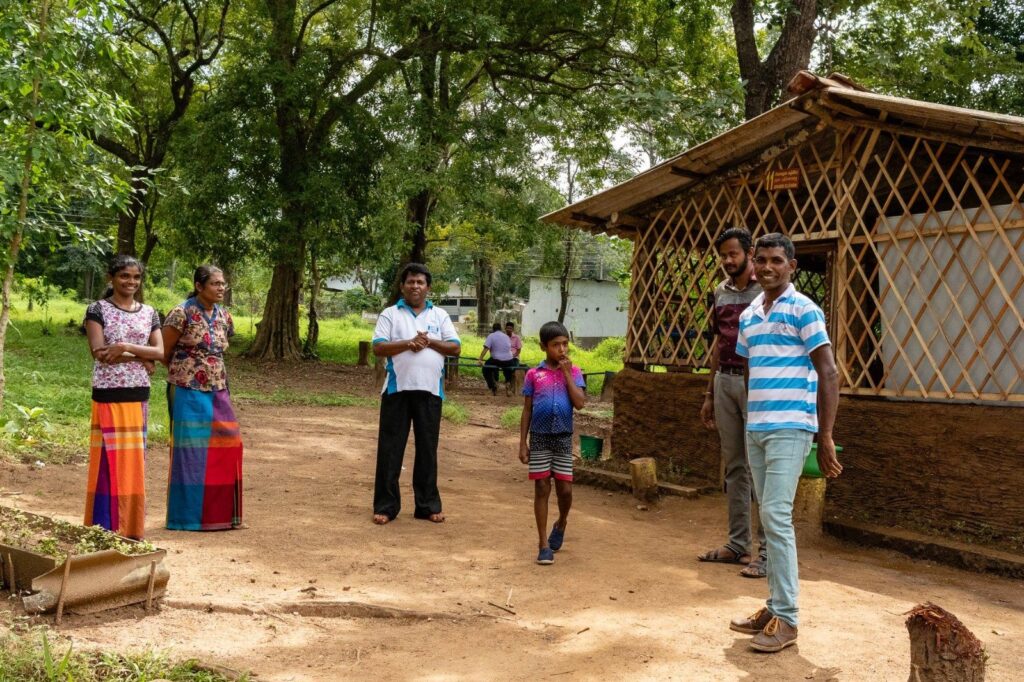
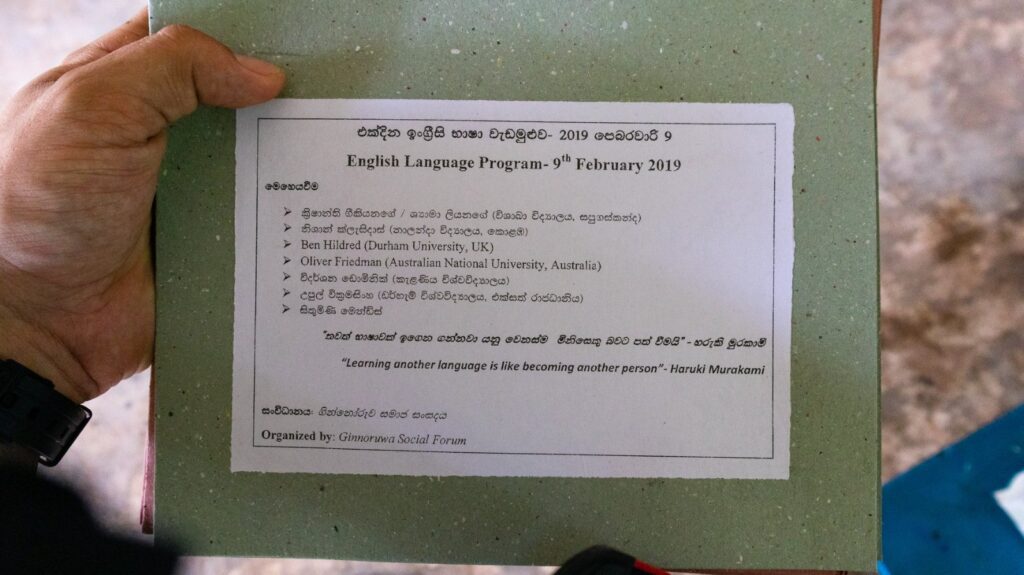
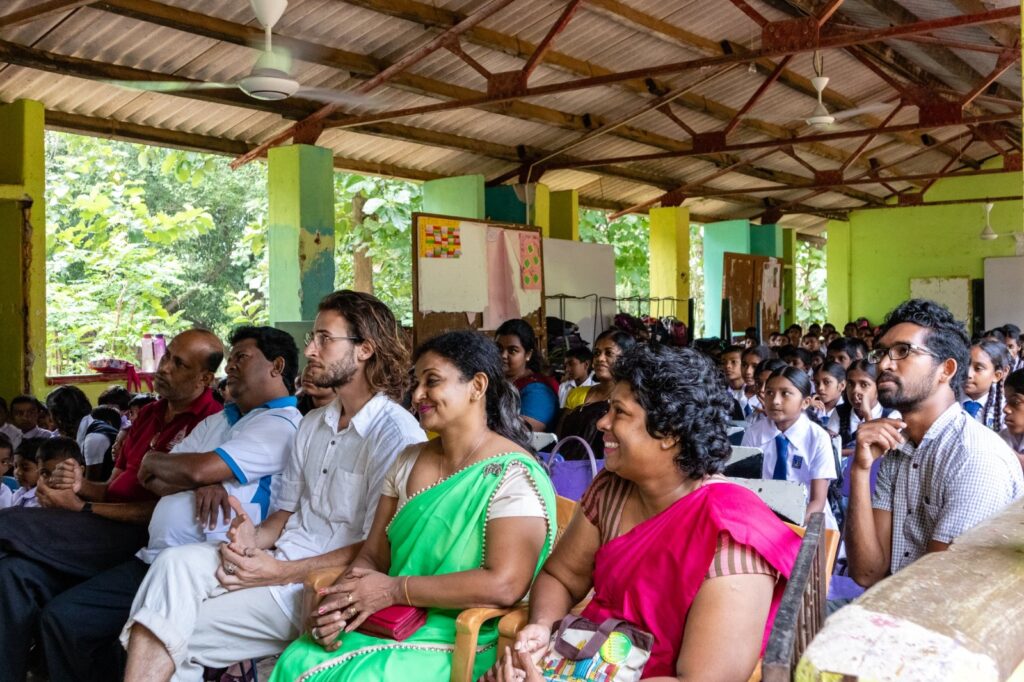
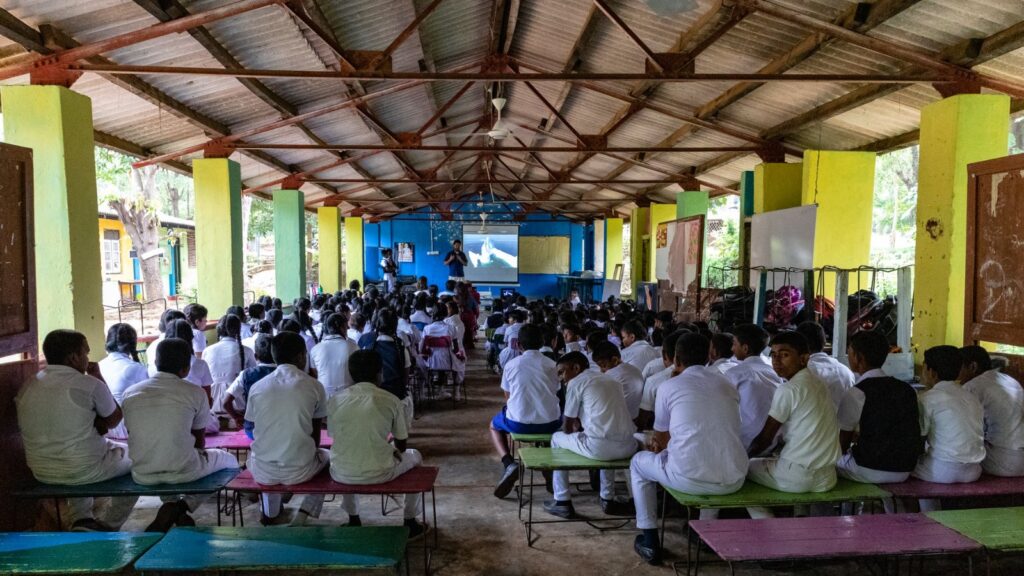
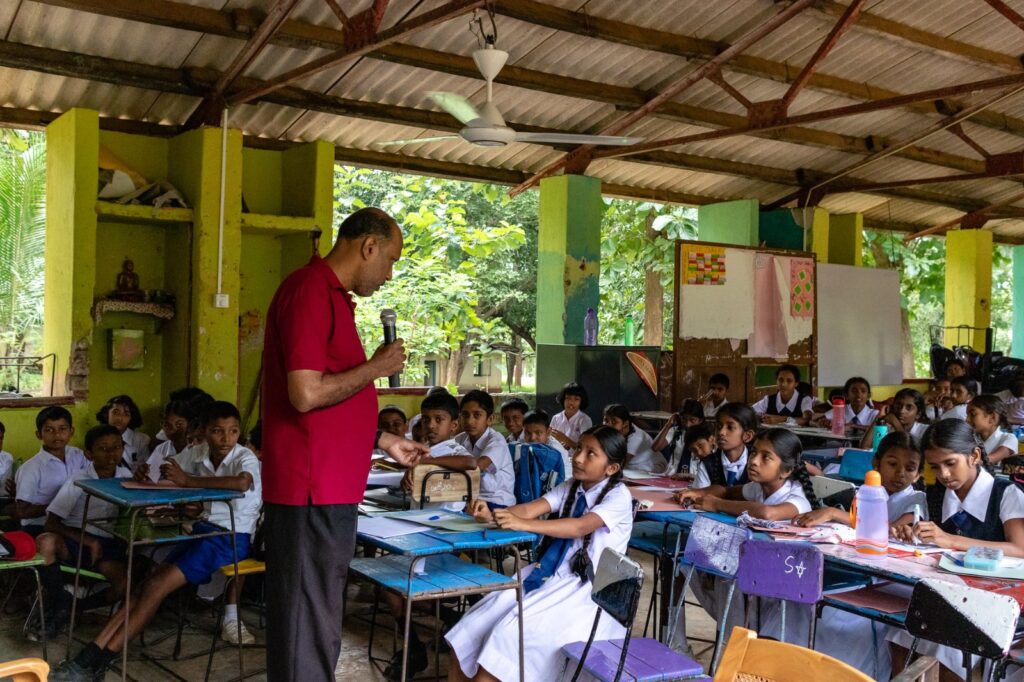
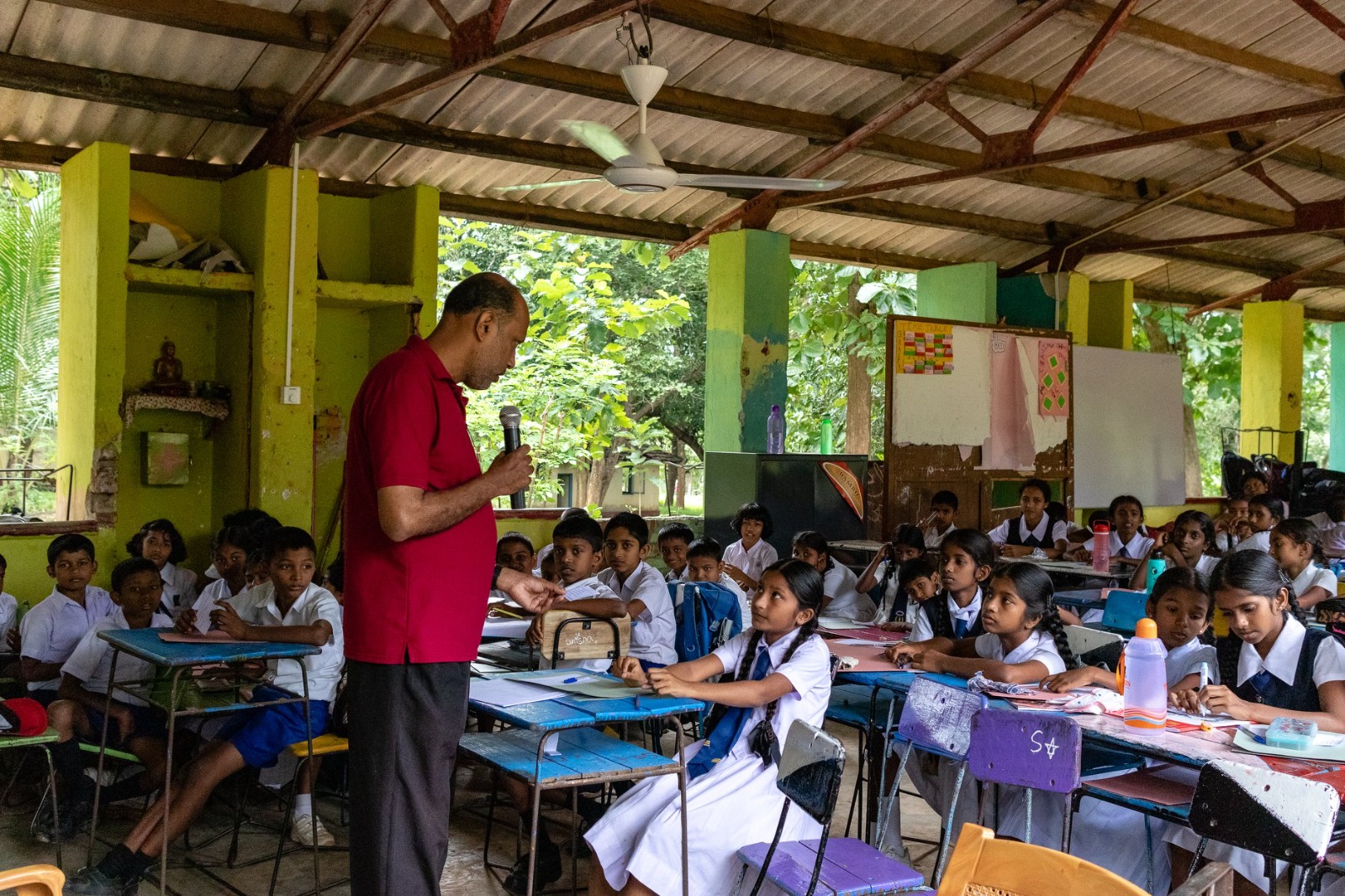
Bringing together the enthusiasm of young learners and the generosity of local and international friends, Ginnoruwa Social Forum organised a one-day English Language Programme at Ginnoruwa Kanishta Vidyalaya on 9th February 2019. The event welcomed more than 200 students from Grades 1 to 11, creating an opportunity for them to step beyond the boundaries of their everyday classroom experiences, discover the joy of learning English and explore the wider opportunities that language can open up for their future.
Inspired by Haruki Murakami’s words, “Learning another language is becoming another person”, we encouraged students to see language learning as an opportunity to explore different perspectives, experiences and ways of understanding the world.
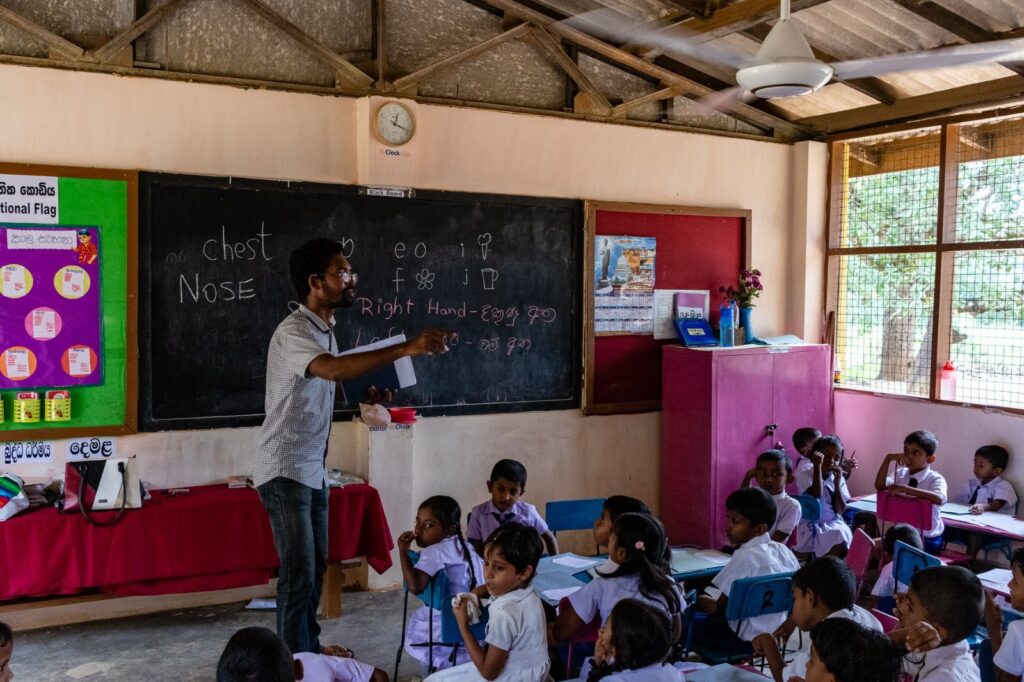
The programme ran from 9.00 am to 4.00 pm and offered students an opportunity to engage in a range of interactive learning activities. Judging by the enthusiasm and responses of the students, the programme provided a new and valuable experience for many of them. One of the strongest messages we received from both students and parents was the desire to see similar programmes continue in the future.
However, we strongly believe that developing English language skills cannot be achieved through a single-day programme. It requires continuous exposure, regular practice and an environment that encourages students to use the language with confidence.
Since beginning doctoral fieldwork in Ginnoruwa in 2018, Upul Wickramasinghe has also been conducting free English language classes for local students. Building on this experience and the positive response to the one-day programme, GSF plans to develop the initiative into a Monthly English Language Programme, to be held at Ginnoruwa Social Forum. Rather than focusing primarily on school syllabuses, the programme will emphasise interactive activities that encourage students to develop an interest in English and build their confidence in using the language.
For GSF, education is not merely about acquiring academic qualifications or passing examinations. We see it as an important means of developing critical thinking, broadening perspectives and nurturing human values. Our long-term aspiration is to contribute to an environment in which younger generations can develop the knowledge, confidence and capacity to participate in positive social, cultural and political change.
Acknowledgements
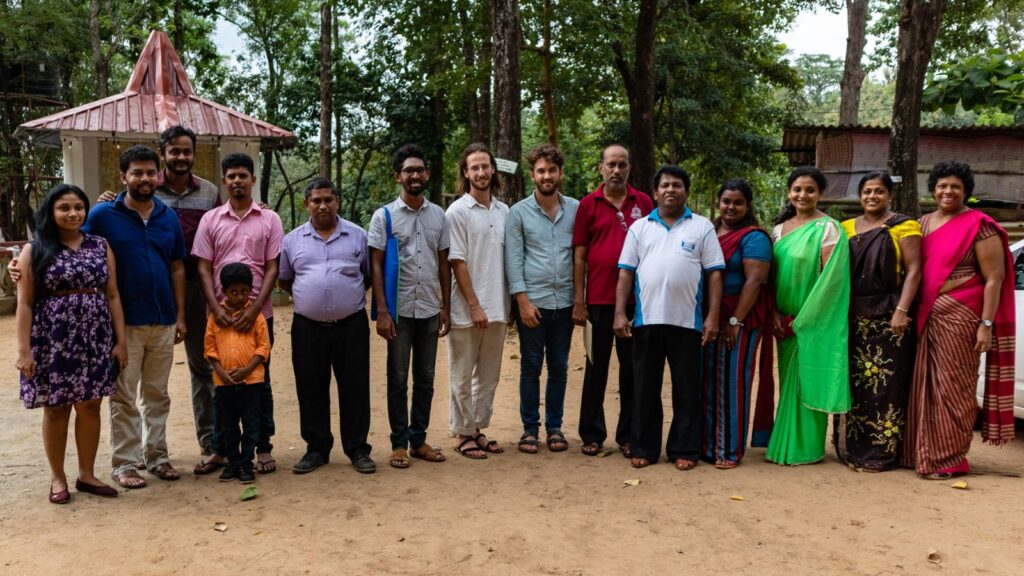
The successful organisation of this programme would not have been possible without the intellectual, practical and financial support of many individuals.
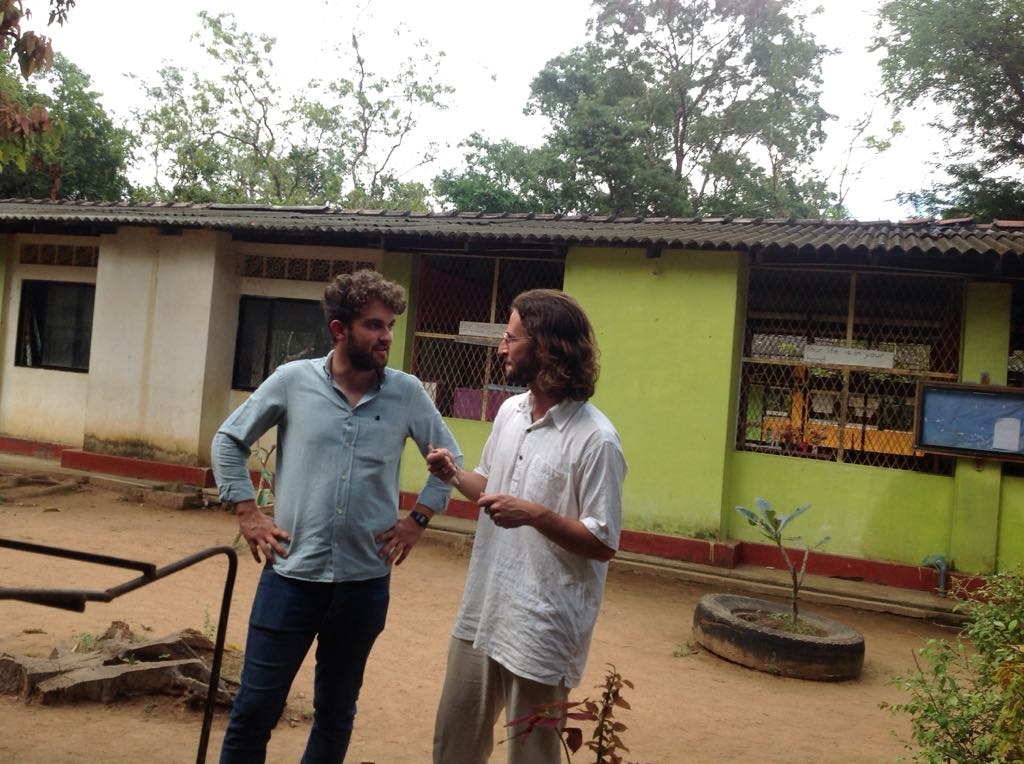
We sincerely appreciate the intellectual contributions of Chrishanthi and Shyama from Sapugaskanda Vishaka Balika Vidyalaya, Nishan Classidas from Nalanda College, Colombo, Ben Hildred from Durham University, and Oliver Friedman from the Australian National University.
We are also grateful to Krishantha Fedricks and Vidarshana Dominic for their valuable contributions. On behalf of the school community, we extend our appreciation to the Principal, Vice-Principal Mr Gamini Dissanayaka, Umayanga Ekanayaka and all the teachers who supported the programme from its planning to completion.
Our sincere thanks go to Viveka Kudaligama and Mr Wijayananda Rupasinghe, Lecturer at the University of Kelaniya, for their generous financial contributions. We also acknowledge the support of Mr Kumara Kathriarachchi, Residential Project Manager, Mahaweli System C, and Aranvinda for helping ensure the smooth organisation of the event.
Finally, and most importantly, we deeply appreciate the enthusiasm, commitment and active participation of the Ginnoruwa villagers, whose support played an essential role in making this initiative possible. Their interest in creating better educational opportunities for the younger generation is a great source of encouragement and inspiration for us.
We hope this initiative will grow into a sustained community effort, creating opportunities for children to learn, think critically and develop the confidence to contribute to a more progressive and inclusive society.
Photo credits: Ben Hildred and Sithumini Mendis